Let’s grow joy! Chanukah Plants in the Garden of Celebration
The Garden of Celebration grows out of generations of Jewish tradition, bringing holiday plants into a living, communal landscape. Each plant in the garden connects us to rituals, foods, and stories that have shaped Jewish life across time and place. As we move toward planting season, we’re excited to highlight how these traditions will come alive—especially in these cold months we’ll think about the plants associated with Chanukah.
Chanukah Plants & Their Traditions
While Chanukah is best known for its lights, it is also a holiday rich in culinary symbolism. Foods fried in oil commemorate the miracle of the Temple’s menorah burning for eight days. In Jewish kitchens around the world, these dishes are tied directly to humble, hearty plants—many of which will appear in our garden through sustainable, locally adapted varieties.
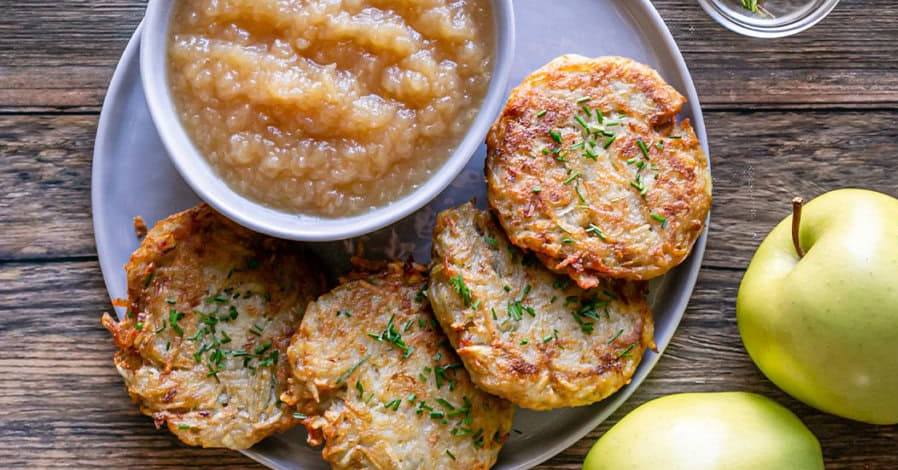
Apples: A sweet partner to latkes
Apples are often cooked into homemade applesauce, the classic sweet pairing to crispy latkes.
Our garden will feature locally adapted, sustainable apple varieties that thrive in East Tennessee’s climate. These trees not only honor a beloved Chanukah food tradition but also support pollinators, provide seasonal educational opportunities, and offer fruit that can be used year-round in community programming.
Fruit for Sufganiyot (Jelly Doughnuts)
While sufganiyot aren’t tied to a single plant, the sweet fillings traditionally include berry or stone fruits. Our garden plan incorporates fruit-bearing plants such as grapes and figs, and we’ll also connect these traditions to locally sustainable fruit options that can be used for preserves and fillings.
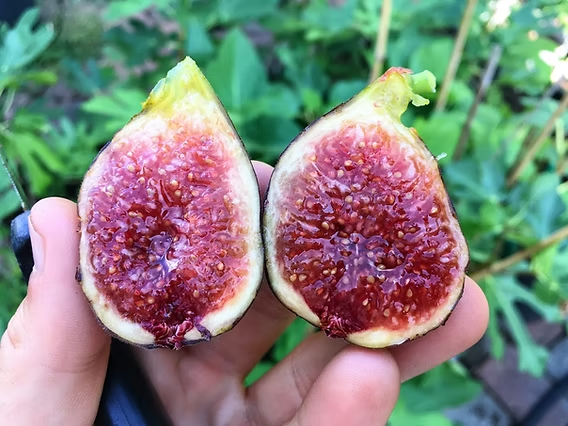
(chicago hardy fig)
Chanukah Herbs: Seasonal Fragrance & Festive Flavor
While Chanukah foods center on oil-fried dishes, herbs often accompany these meals, brighten winter recipes, and bring aromatic warmth to the season. In our garden, these herbs will be grown in dedicated beds using hardy cultivars selected for East Tennessee’s climate.
Key Chanukah-Friendly Herbs in the Garden:
- Rosemary – Often used in winter roasts and contemporary Chanukah dishes (including herb-roasted potatoes or chicken). Rosemary symbolizes remembrance and resilience, making it a meaningful seasonal herb.
- Thyme – A cold-tolerant staple for winter cooking. Thyme adds depth to savory meals enjoyed during Chanukah and will thrive in our garden through varieties like creeping thyme, which also supports pollinators.
- Mint – Featured in warm teas and festive beverages during the winter months. Our garden will grow mountain mint, a native alternative that supports local ecosystems and offers a fresh, vibrant aroma even in the colder season.
These herbs will enrich our communal cooking programs, inspire educational workshops, and provide fresh ingredients that connect Chanukah food traditions to sustainable regional gardening practices.

(Eterna Sefarad by Arnold Schwarzbart)
Discover more from Emily Moorhead-Wallace
Subscribe to get the latest posts sent to your email.
 Emily Moorhead-Wallace